


What happens during a first physical therapy visit?
A first physical therapy visit usually includes a conversation about your health, a movement assessment, and an explanation of the next steps. The session is designed to understand what is limiting your activity, identify contributing factors, and establish a safe starting point for treatment.
The visit may feel more like an evaluation than a workout. Some movement or hands-on assessment is common, but the therapist should explain what is being checked and adjust the process if something causes significant discomfort.
What should you bring?
Bring information that helps explain your current condition and daily needs. Useful items may include:
- A list of medications and relevant medical conditions
- Imaging reports or medical records, if available
- Details about previous injuries, surgeries, or therapy
- Insurance or referral information, if required
- Comfortable clothing that allows the affected body area to be examined
- Supportive shoes if walking, balance, or lower-body movement is involved
If the problem affects the shoulder, knee, hip, or back, clothing should allow reasonable access to that area without requiring uncomfortable changes. Loose shorts, athletic pants, or a short-sleeved shirt may be helpful depending on the concern.
A written list of symptoms can also be useful. Include when the problem began, what makes it worse, what reduces it, and which activities have become difficult.
What questions will the therapist ask?
The therapist will usually ask about symptoms, activity limitations, and personal goals. These questions help connect the physical problem to everyday life rather than focusing only on a diagnosis.
Expect questions such as:
- Where do you feel pain, stiffness, weakness, numbness, or instability?
- When did the symptoms begin?
- Did the problem follow a fall, accident, surgery, or change in activity?
- Is the problem constant, or does it come and go?
- What movements or positions make symptoms worse?
- Can you sleep, work, drive, climb stairs, or walk as usual?
- What activities would you like to resume?
For residents in Fernandina Beach, FL, useful examples might include difficulty walking on uneven outdoor surfaces, getting up from a low chair, carrying groceries, climbing household stairs, or tolerating prolonged standing during errands and daily activities. Seasonal heat and humidity may also affect how tiring outdoor exercise feels, although the therapist should base recommendations on the individual’s symptoms and medical history.
Be as specific as possible. Saying “my knee hurts” is less informative than explaining that the knee hurts after ten minutes of walking, when descending stairs, or after sitting for a long period.
What does the physical examination include?
The examination may include several types of movement and function checks. The therapist may observe how you stand, walk, bend, reach, or transfer from sitting to standing.
Common parts of the assessment include:
- Joint movement and flexibility
- Muscle strength
- Balance and coordination
- Walking pattern and posture
- Swelling, tenderness, or sensitivity
- How the body responds to specific movements
- Functional tasks related to home, work, exercise, or recreation
The assessment is usually tailored to the problem. Someone recovering from a shoulder procedure may perform reaching and lifting tests, while someone with dizziness may undergo balance or position-related testing. A person with back pain may be asked to move in several directions to see whether symptoms change.
The therapist may compare one side of the body with the other. This does not automatically mean that one side must match the other perfectly. The goal is to understand meaningful differences and determine which findings are relevant to function.
Will the first visit be painful?
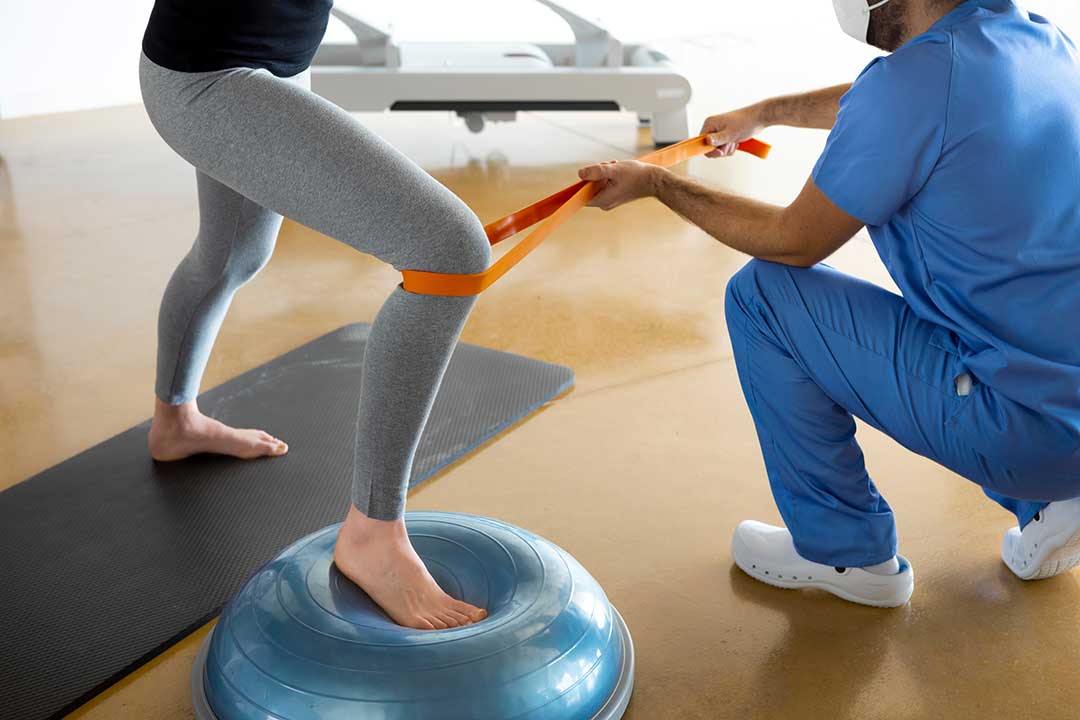
Some examination movements may reproduce familiar symptoms, but the first visit should not be treated as a test of pain tolerance. Physical therapy assessment is meant to gather information safely.
Tell the therapist if pain becomes sharp, severe, rapidly increasing, or different from the symptoms that brought you in. Also report numbness, unusual weakness, dizziness, shortness of breath, or any feeling that something is not right.
Mild soreness after new activity can occur, especially when muscles or joints have not been used normally for a while. However, worsening symptoms that do not settle, new swelling, or a substantial loss of function should be reported promptly.
Will treatment begin at the first appointment?
Treatment may begin during the first visit, but the amount varies. After the evaluation, the therapist may introduce a gentle exercise, movement strategy, positioning change, manual technique, walking aid, or balance activity.
The initial program is often intentionally simple. Early exercises may focus on restoring comfortable movement, improving coordination, reducing stiffness, or helping a person understand how to move without aggravating symptoms.
A home program may be provided. It is better to understand a few exercises clearly than to leave with a long list that is difficult to follow. Ask how often to perform each activity, what sensations are acceptable, and what signs mean the exercise should be stopped or modified.
What information should be clear before leaving?
Before the first visit ends, you should understand the working explanation for the problem, the immediate goals, and what to do between visits. It is reasonable to ask:
- What did the examination show?
- Which activities should be limited temporarily?
- Which activities are safe to continue?
- How often should the home exercises be performed?
- What level of discomfort is expected?
- How will progress be measured?
- What should happen if symptoms worsen?
A diagnosis may not be fully clear after one session. Some conditions require observation over time, additional medical testing, or communication with another healthcare professional. A careful therapist should explain what is known, what remains uncertain, and what findings would change the plan.
How should someone prepare for the environment and local conditions?
Comfortable preparation can make the first visit easier. In a warm, humid coastal climate, arriving overheated or dehydrated may make exercise and balance testing feel more difficult. Light clothing, water, and enough travel time can help, particularly during hotter months.
Homes in the area may include stairs, raised entrances, narrow hallways, older flooring, or outdoor surfaces that become slick after rain. Mention these features if they affect safety at home. The therapist may be able to practice related tasks or suggest temporary ways to reduce fall risk.
If transportation involves a long ride or extended sitting, mention whether sitting increases symptoms. That detail may influence the evaluation and the advice provided for travel, transfers, or position changes.
What if the symptoms are not the same on the day of the visit?
Symptoms can vary from day to day, and a quieter day does not make the problem less real. Describe the typical pattern, including the worst symptoms, the most limiting activities, and what usually triggers a flare-up.
Keeping brief notes for several days may help. Record activity, pain or other symptoms, sleep quality, and how long it takes to recover after activity. This information can reveal patterns that are difficult to remember during a conversation.
A first physical therapy visit is not a pass-or-fail test. It is a structured opportunity to describe what is happening, identify movement and safety concerns, and begin with an appropriate plan. Clear communication about daily routines, home conditions, and personal goals gives the therapist better information for making that plan practical.